
Sagalassos Archaeological
Research Project
Sagalassos is the ancient site that has been inhabited for many different time periods,
which was situated in the ancient region of Pisidia, the present-day Lake District in Türkiye.
What are we researching,
exactly?
The Sagalassos Archaeological Research Project is dedicated to understanding the ancient city of Sagalassos and the communities that inhabited it over more than two thousand years. By bringing researchers, students and workers from different fields together the project employs an interdisciplinary approach towards the site, from its urban development and monumental architecture to daily life, craft production, trade, and the surrounding landscape; through excavation, scientific analysis, conservation and preservation of cultural heritage.
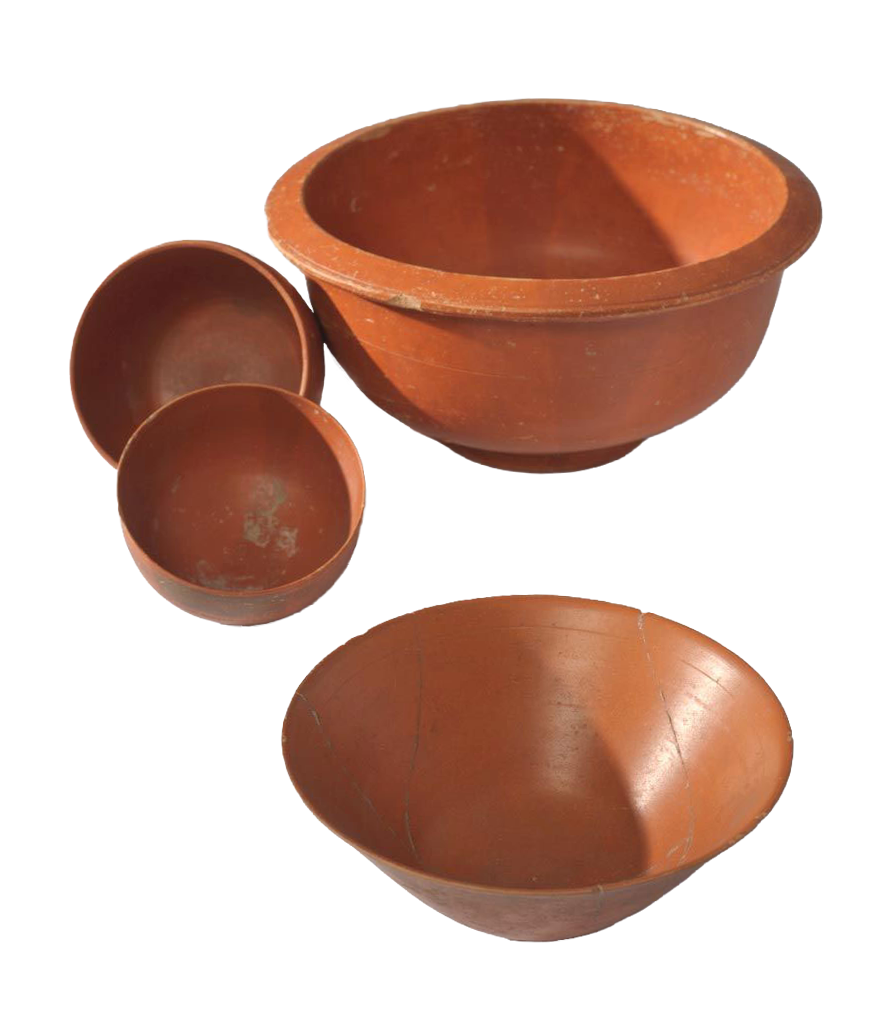
Among the project’s most important discoveries is the extensive production of Sagalassos Red Slip Ware (SRSW), a Roman tableware that was manufactured locally and distributed throughout the eastern Mediterranean. By researching these ceramics, valuable insights into ancient technology, economy, and trade networks gets revealed.
In the research process, besides traditional archaeological methods, the project employs digital technologies, including 3D documentation, digital modelling, and virtual reality experiences, to record archaeological data with precision and make the site’s history more engaging and accessible. By combining scientific research with innovative digital interpretation, the project seeks to connect visitors with Sagalassos in new ways.
How was the site
re-discovered?
In the 13th century, occupation of organised communities at Sagalassos came to an end. The site, however, would never really be forgotten by the local community, which continued to reside below, in the Ağlasun Valley. Considering the local knowledge of the site of Sagalassos, it is perhaps less appropriate to talk about its ‘re-discovery’ even though the name of the town was lost in the mists of history.
From the 18th century onwards, people from Europe start visiting the Middle East, including Ottoman Empire. They did, so as diplomats, military advisors and clergymen, oftentimes on their so-called Grand Tour. Some of these people also published their travel accounts. In the case of Sagalassos, such visits are sporadic but notable by Paul Lucas (1706), on behalf of the French king Louis XIV, Francis V.J. Arundell (1884-85) and a range of others.
Where do
the finds go?
The archaeological site of Sagalassos and the cultural heritage in the study region are governed by the Turkish Republic. Following legal stipulations, all archaeological finds are submitted to the Archaeological Museum of Burdur at the end of each excavation season.
A selection of the most relevant and beautiful objects and statues are on display in the museum. What is not on display is stored under the supervision of the Archaeological Museum of Burdur, following international standards in object conservation.
The Team
Assist. Prof. Dr.
Peter Talloen
Excavation Director
Prof. Dr.
Murat Fırat
Assistant Director
Dr. Sevingül
Bilgin Kopçuk
Assistant Director